

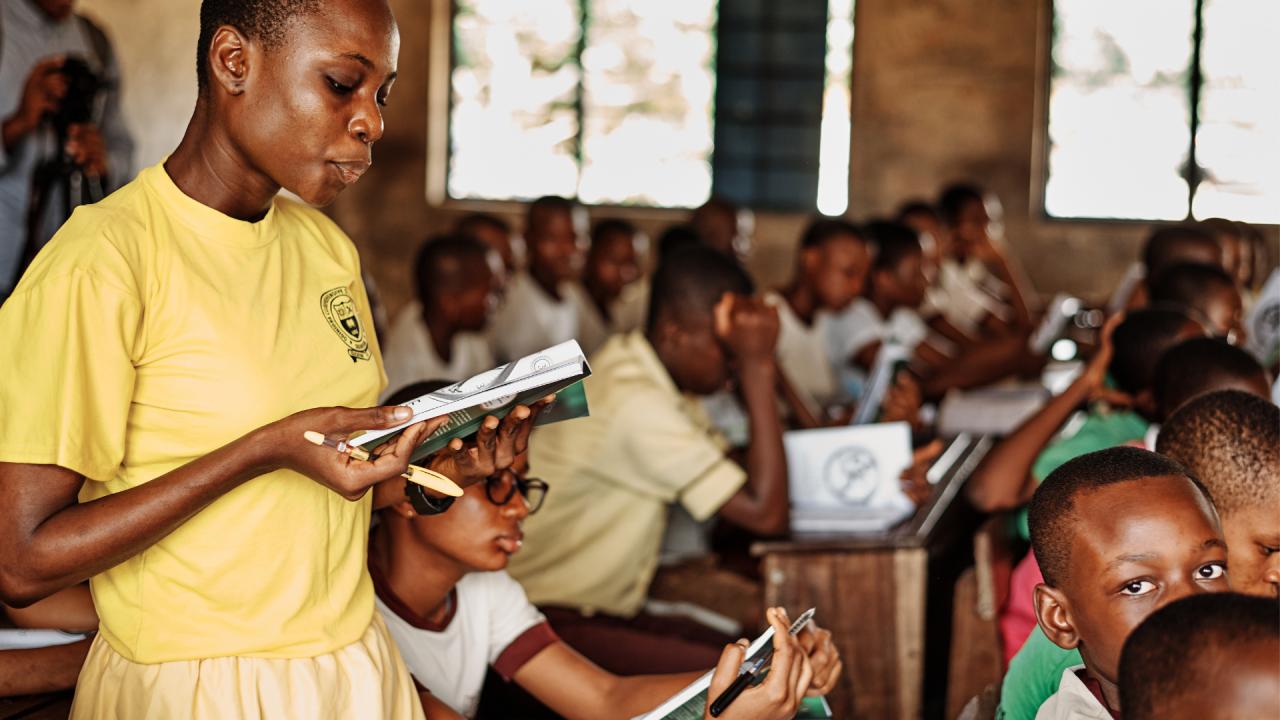
Nigeria, a nation rich in culture and diversity, like many other countries, faces a range of educational challenges that impact its ability to provide quality education and meet the needs of its growing population.
Despite efforts to improve access and quality, significant obstacles persist, hindering the realization of every child’s right to quality education. Access to quality education is a fundamental right for every individual, and its absence can be profoundly frustrating.
In this article, let’s delve into the critical educational challenges confronting Nigeria and chart potential pathways to mitigate them.
Here are some of the key educational challenges in Nigeria:
1. Limited Access to Education: One of the fundamental challenges in Nigeria is the limited access to quality education, particularly in rural areas. Many children, especially in the northern regions, do not have access to schools, and gender disparities persist, with girls often having less access to education than boys.
2. Infrastructure Deficiencies: A significant number of schools in Nigeria lack adequate infrastructure, including classrooms, libraries, and sanitation facilities. Poor infrastructure affects the quality of education and can discourage both students and teachers.
3. Teacher Shortages: Nigeria faces a shortage of qualified and motivated teachers. Many teachers are undertrained and underpaid, which affects the quality of instruction and contributes to a high teacher-student ratio.
4. Quality of Education: The quality of education in Nigeria is a concern. Many students graduate from primary and secondary schools lacking essential skills and knowledge. This affects their employability and prospects. Access to educational facts, news, and information is crucial for empowering students with the knowledge and skills necessary to succeed in their academic pursuits and beyond.
Improving the quality of education in the country is a collective aspiration that holds the promise of enhancing the lives and prospects of every Nigerian youth.
5. Curriculum Relevance: The curriculum in Nigerian schools needs to be updated and made more relevant to the needs of the modern workforce. There is a disconnect between what students learn in school and the skills demanded by employers.
6. Language Barrier: The language of instruction in schools varies across regions, leading to challenges in communication and understanding for students who speak different languages at home. This can hinder learning and comprehension.
7. Inadequate Funding: The education sector in Nigeria is underfunded, with a relatively low percentage of the national budget allocated to education. This limits the government’s ability to invest in infrastructure, teacher training, and educational materials.
8. Security Concerns: In some parts of Nigeria, particularly in the northeast, security concerns, including attacks on schools and abductions of students, have disrupted the education system, making it unsafe for students and teachers. Insecurity, including insurgency, banditry, and communal conflicts, poses significant challenges to education in Nigeria.
9. Corruption and Mismanagement: Corruption and mismanagement within the education system have been significant challenges. Funds allocated for educational development may not always reach their intended targets, leading to inefficiencies.
10. Lack of Vocational and Technical Training: The focus on academic education often leaves out vocational and technical training opportunities, limiting options for students who may not excel in traditional academic subjects.
11. Assessment and Examination Malpractice: Cheating in exams and corrupt practices during assessments undermine the integrity and credibility of the educational system. These unethical behaviors not only compromise the fairness and reliability of academic evaluations but also devalue the qualifications attained by graduates, eroding trust in the education sector and impeding the development of a skilled and competent workforce essential for national progress and prosperity.
12. Digital Divide: The digital divide in Nigeria means that many students lack access to digital learning resources and online education, particularly among students residing in rural and underserved regions, where infrastructure and connectivity limitations exacerbate disparities in educational opportunities.
Conclusion
Addressing Nigeria’s educational challenges requires a comprehensive approach. This includes prioritizing investments in infrastructure, teacher training, and curriculum development, as well as initiatives to improve access, reduce gender disparities, educational news, and combat corruption.
By taking proactive steps to foster a culture of learning and innovation, Nigeria can unlock the potential of its youth and pave the way for a brighter future.