

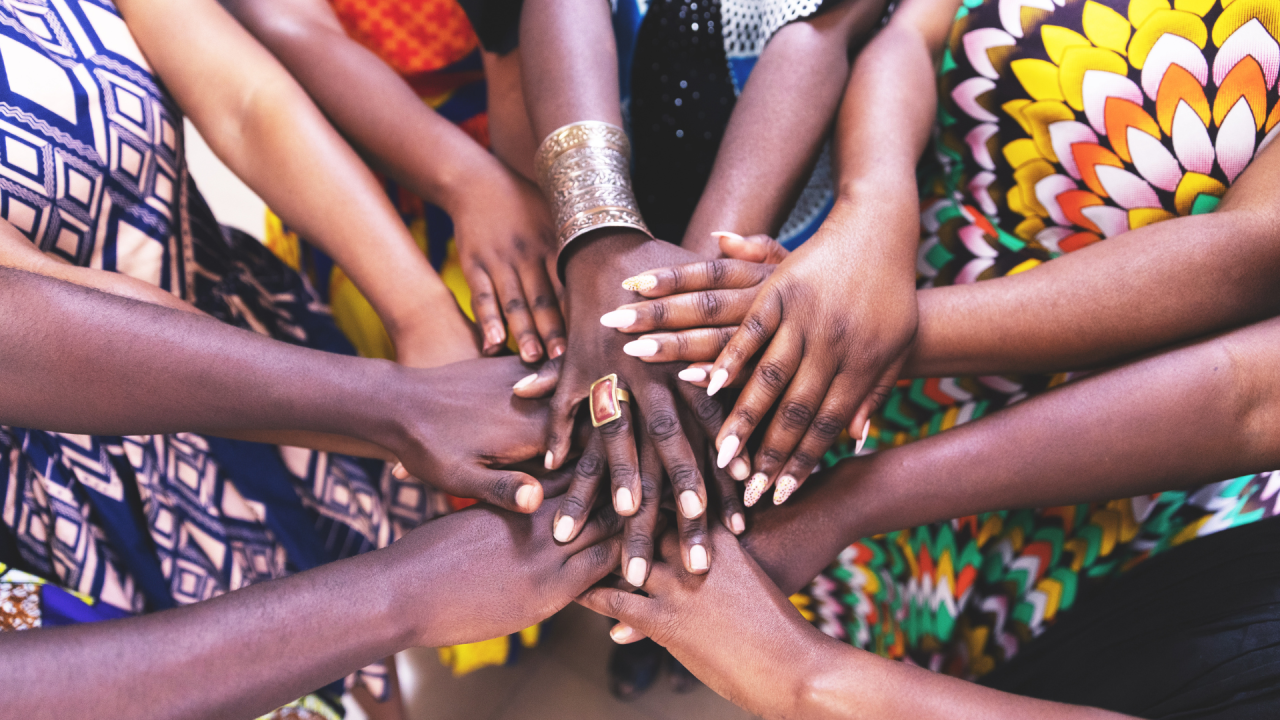
Nigeria, a country with rich cultural diversity and a vibrant history, has made significant strides in gender equality and women’s empowerment.
Despite progress, there remain substantial challenges that need to be addressed to ensure that women and girls can fully participate in all aspects of society. Over the years, various efforts have been initiated to elevate the status of women in education, politics, and the economy.
These initiatives have sparked progress, enabling women to break through certain barriers and take on more prominent roles in society.
Let’s explores the current state of gender equality in Nigeria, the initiatives in place to promote women’s empowerment, and the road ahead.
Current State of Gender Equality
- Education
Education is a critical area where gender disparities are evident. While there have been improvements in female enrollment in primary and secondary education, gaps remain, especially in rural areas. Cultural norms, early marriage, and economic barriers and practices like early marriage continue to block many girls from pursuing education. These barriers not only limit individual potential but also stunt the growth of communities, depriving them of the invaluable contributions educated women can bring.
- Employment
Women in Nigeria face significant barriers to employment. The labor force participation rate for women is lower than that for men, and women often work in lower-paying, informal sectors. Factors such as discrimination, restricted access to capital, and insufficient maternity leave policies perpetuate these inequalities, making it challenging for women to thrive professionally.
- Political Representation
Women’s representation in political and decision-making positions is low. Cultural attitudes and gender stereotypes play a role in limiting women’s participation in politics. In recent elections, a mere fraction—less than 10%—of parliamentary seats were occupied by women, highlighting a significant gap in gender equity within governance.
Initiatives for Women’s Empowerment
- Education Programs
Various non-governmental organizations (NGOs) and government initiatives aim to increase girls’ access to education. Scholarships, awareness campaigns and information, and community engagement are some strategies used to encourage girls to stay in school.
- Economic Empowerment
Programs designed to empower women economically include microfinance initiatives, vocational training, and entrepreneurship support. These programs like The Nigeria for Women Project (NFWP) is a flagship project of the Federal Ministry of Women Affairs. The project has an objective of supporting improved livelihoods for women in targeted communities of Nigeria, to help women start and grow businesses, providing financial independence and boosting local economies.
- Legal Reforms
Legal reforms are critical for protecting women’s rights and promoting gender equality. Efforts to pass laws against gender-based violence, ensure inheritance rights, and promote equal opportunities in employment are ongoing.
- Health Initiatives
Improving women’s access to healthcare, including maternal and reproductive health services, is essential. Initiatives focusing on reducing maternal mortality rates, increasing access to family planning, and providing health education are crucial steps towards women’s empowerment.
Challenges Ahead
- Cultural Norms and Practices
Deep-seated cultural norms and practices continue to pose significant challenges. Practices such as early marriage and female genital mutilation (FGM) persist in some areas, despite legal prohibitions.
- Economic Barriers
Economic barriers, including poverty and lack of access to financial services, disproportionately affect women. Addressing these barriers requires comprehensive economic policies that focus on inclusive growth.
- Political Will
Achieving gender equality requires strong political will and commitment from all levels of government. Ensuring that gender equality is a priority in national policies and development plans is crucial.
The Road Ahead
To achieve true gender equality and empower women in Nigeria, a multi-faceted approach is necessary. This includes:
- Strengthening Education Systems: Ensuring that girls have access to quality education at all levels is fundamental. This involves not only increasing enrollment rates but also improving the quality of education and making schools safe and inclusive.
- Promoting Economic Opportunities: Economic empowerment programs must be scaled up to provide women with the skills, resources, and opportunities they need to succeed.
- Enhancing Legal Protections: Strengthening legal frameworks to protect women’s rights and ensuring these laws are enforced is critical.
- Changing Cultural Norms: Community engagement and education campaigns are needed to change harmful cultural norms and practices.
- Increasing Political Participation: Efforts to increase women’s political representation and participation in decision-making processes should be prioritized.
Conclusion
Gender equality and women’s empowerment in Nigeria are achievable goals, but they require sustained effort and commitment from all sectors of society.
By addressing the challenges and leveraging the opportunities, Nigeria can create a more inclusive and equitable society where women and girls can thrive. As the nation moves forward, the empowerment of women will undoubtedly play a pivotal role in its overall development and progress.
Stay informed and engaged with these crucial issues by downloading TheNewspaperStand. Together, let’s build a more inclusive and equitable future for all.